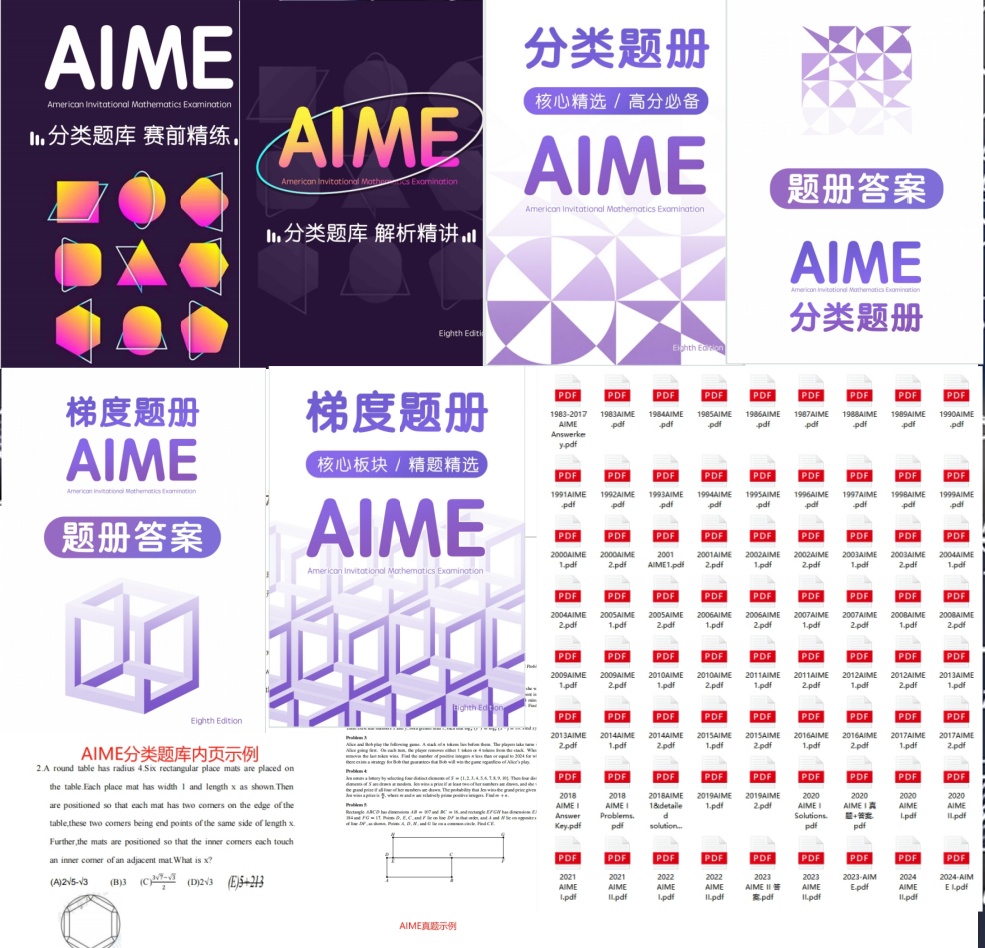

美国数学邀请赛(AIME)是全球范围内一项备受瞩目的数学竞赛,由美国数学协会(MAA)主办。自1983年创办以来,AIME不仅为优秀学生提供了展示数学才能的平台,还为选拔参加更高级别的数学竞赛(如美国数学奥林匹克竞赛和国际数学奥林匹克)奠定了基础。AIME的难度介于AMC10/12与USAMO之间,涵盖代数、几何、数论和组合数学等多个领域,是全球顶尖中学生展示数学能力的重要舞台。以下将详细介绍2025年AIME的赛事背景、参赛资格、考试安排、考察内容、评分标准、备赛策略及国际考生注意事项。
一、AIME数学竞赛赛事背景
美国数学邀请赛(AIME)由美国数学协会(MAA)主办,是一项全球性的数学竞赛,旨在选拔在数学领域具有突出才能的学生,并为美国数学奥林匹克竞赛(USAMO/USAJMO)及国际数学奥林匹克(IMO)选拔参赛者。AIME作为AMC系列竞赛的进阶赛事,其难度介于AMC10/12与USAMO之间,自1983年创办以来,已成为全球顶尖中学生展示数学能力的权威平台,其成绩被多国高校视为学术潜力的重要参考指标。
二、AIME数学竞赛参赛资格与晋级机制
晋级条件
在AMC10竞赛中取得前2.5%的成绩,或在AMC12竞赛中取得前5%的成绩。
参赛者年龄需在考试当年不超过19.5岁。
2025年特殊调整
受MAA政策影响,AIME I(2025年2月7日)不对国际考生开放,中国区考生转考AIME II。
考试安排
考试时间:AIME II已于2025年2月13日(美国时间)进行,考试时长为3小时。
考试形式:线上/线下结合,试卷为中英双语(2025年AIME II考试语言可能调整为全英文,需提前确认)。
题型与计分:15道填空题,答案范围为0-999的整数;答对1题得1分,满分15分,答错不扣分。
三、AIME数学竞赛考察内容与难度分析
AIME的题目覆盖代数、几何、数论、组合数学四大核心领域,并逐步提升知识深度与综合应用能力:
代数:多项式方程、三角函数恒等变换、数列与递推关系、不等式证明等,强调代数结构的灵活运用。
几何:多心问题、根轴与根心定理、位似变换等复杂定理的应用,需掌握解析几何与综合几何结合的解题思路。
数论:高阶同余方程、费马小定理与欧拉定理、线性不定方程等,侧重逻辑推理与抽象问题建模能力。
组合数学:生成函数计数、无穷状态期望问题、递推关系分析,要求兼具严谨性与创造性。
难度分布
前5题难度接近AMC12中高难度题,多数选手可完成基础分;
第6-10题区分度显著,需综合运用跨领域知识;
后5题(尤其是12-15题)涉及IMO预备内容,仅顶尖选手可解。
四、AIME数学竞赛评分标准与奖项设置
分数意义
7-8分:达到美国Top 30院校申请竞争力门槛;
9-10分:可申请顶尖数学夏令营(如SUMaC、ROSS),并增强藤校录取优势;
11分及以上:直接晋级USAMO选拔,冲刺国际数学奥赛资格。
奖项分类
个人奖项:
金奖(前5%):通常需12分以上;
银奖(前10%):11分左右;
铜奖(前15%):10分左右。
晋级标准
USAMO晋级总分由AMC与AIME成绩加权计算(公式:AMC得分 + 10×AIME得分),2024年晋级线为233.5分。
五、AIME数学竞赛备赛策略建议
知识巩固
AMC10晋级者:需补充AMC12级别的三角函数、复数与向量知识。
AMC12晋级者:强化数论与组合高阶内容,如原根定理、生成函数应用等。
真题训练
研究近10年AIME真题,分析高频考点(如几何多心问题、数论不定方程)。
模拟考试环境,提升3小时内完成15题的节奏把控能力。
技巧提升
掌握填空题特殊解法,如构造性反例、对称性简化等。
针对后5题进行专题突破,学习IMO预备知识(如LTE引理、复杂递推)。
AIME成绩不仅是学术能力的证明,更体现学生的逻辑思维、抗压能力与长期学习规划。其高分获得者常被哈佛、MIT等顶尖学府优先录取,且在数学、计算机等领域的后续发展中展现出显著优势。对于志在冲击国际奥赛或从事科研的学生,AIME是迈向更高舞台的关键跳板。
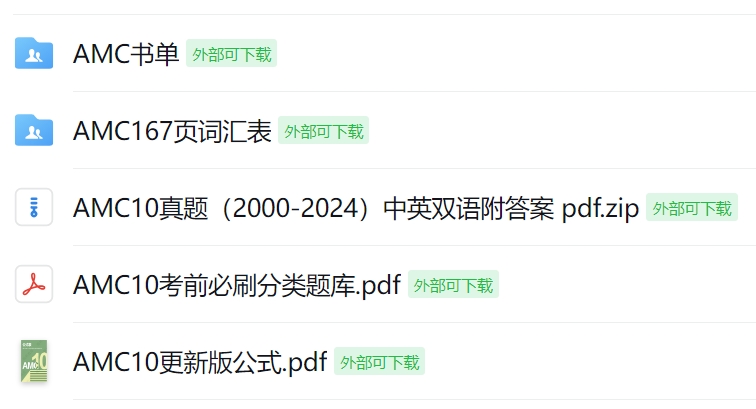
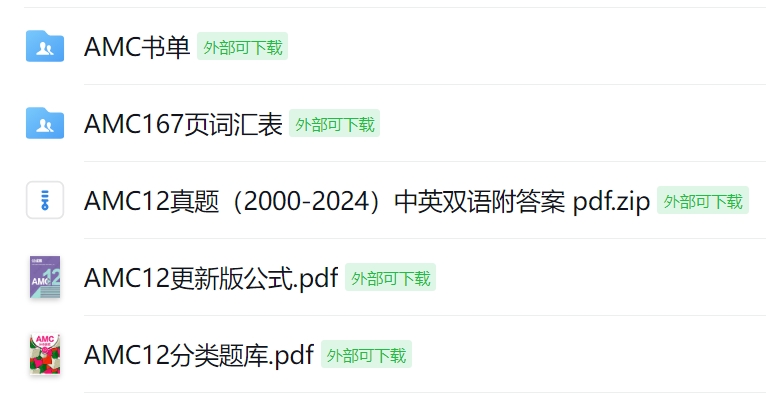
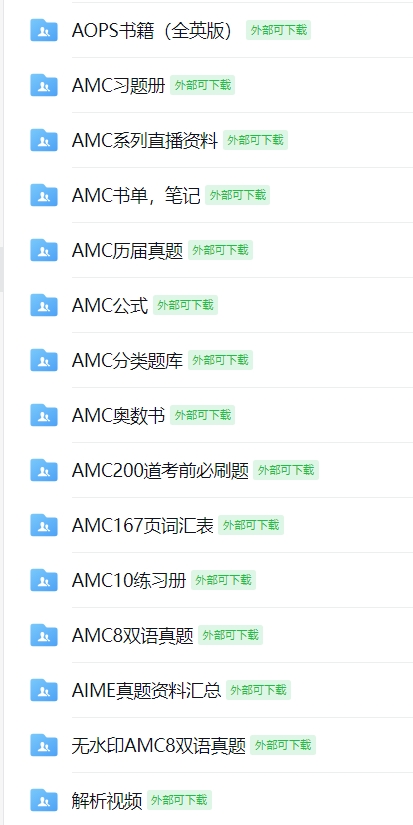
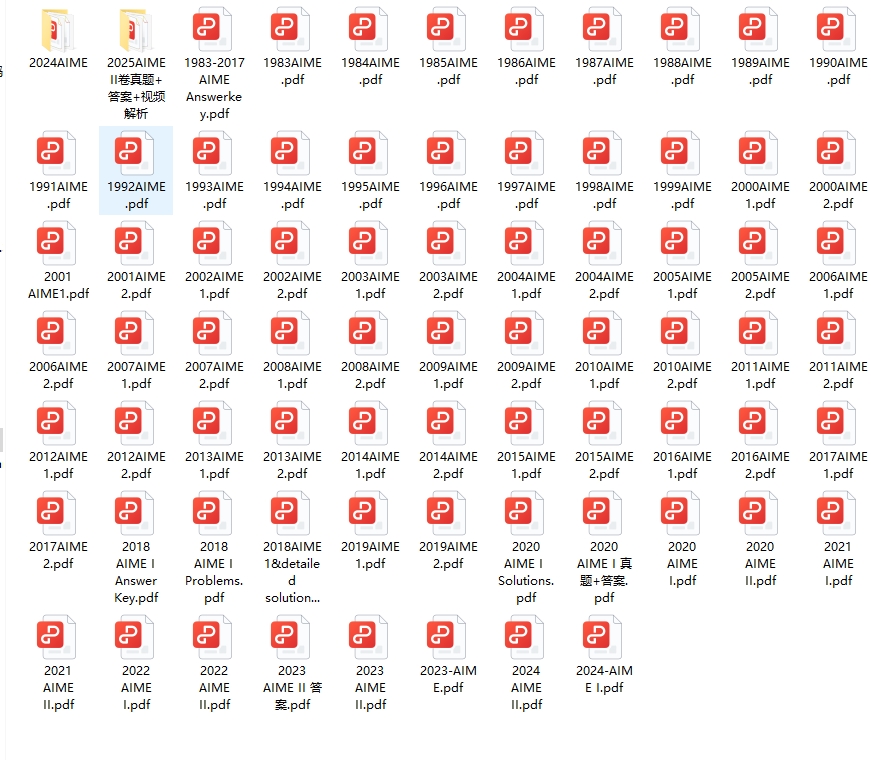
备赛的同学可扫码免费下载
1983-2025年AIME II完整版中英文真题+解析+各类题库&解析